Pedal Your Way to Fitness: A Comprehensive Guide to Workout Cycle Bikes
In the ever-evolving landscape of fitness, workout cycle bikes have become a popular and effective tool for individuals looking for to enhance their cardiovascular health, construct endurance, and shed undesirable pounds. Providing a low-impact yet extremely efficient workout, these stationary bikes are a staple in fitness centers and an increasingly typical sight in homes. This post delves into the world of workout cycle bikes, exploring their types, advantages, key functions, and how to effectively incorporate them into your fitness routine.
Comprehending the Appeal of Workout Cycle Bikes
Workout cycle bikes, also called stationary bicycles, supply a wonderful opportunity for accomplishing fitness objectives without putting extreme tension on your joints. Unlike outside cycling, indoor cycling eliminates weather condition restraints and traffic hazards, enabling for constant exercises regardless of external conditions. They provide a controlled environment where users can change resistance, track progress, and engage in concentrated training sessions customized to their individual needs and fitness levels.
Exploring the Variety: Types of Workout Cycle Bikes
The market offers a series of workout cycle bikes, each created with specific functions and benefits. Understanding these various types is important for picking the bike that best lines up with your fitness objectives and choices.
Here's a breakdown of the primary types:
Upright Bikes: Resembling conventional outdoor bicycles, upright bikes position the rider in an upright posture.
- Pros: Mimic natural cycling, engage core muscles, compact footprint, often more inexpensive.
- Cons: Can be less comfy for long sessions due to press on wrists and back, might not appropriate for people with lower back concerns.
- Ideal for: General fitness, cardiovascular exercises, those looking for a bike that reproduces outside cycling feel.
Recumbent Bikes: Characterized by a reclined seat with back support and pedals placed in front of the body, recumbent bikes use a comfortable and low-impact workout.
- Pros: Excellent back assistance, comfy for long sessions, low effect on joints, suitable for people with pain in the back or movement problems.
- Cons: Larger footprint, might engage core muscles less than upright bikes, can be more costly.
- Ideal for: Individuals with back problems, elders, rehab functions, those seeking comfortable and longer workouts.
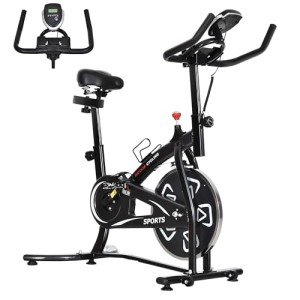
Spin Bikes (Indoor Cycling Bikes): Designed to duplicate the experience of road cycling, spin bikes include a weighted flywheel, adjustable resistance, and a forward-leaning posture, frequently used in group fitness classes.
- Pros: Intense exercises, high calorie burn, appealing and motivating for group classes, typically include efficiency tracking functions.
- Cons: Can be less comfortable for beginners at first, may require some knowing curve to master strategies, can be more pricey.
- Ideal for: High-intensity training, calorie burning, people who enjoy group fitness classes, those looking for to train like road cyclists indoors.
Key Features to Consider When Choosing a Workout Cycle Bike
Choosing the ideal workout cycle bike includes considering numerous key functions to ensure it fulfills your requirements and offers a comfortable and effective workout experience.
Here's a list of vital elements to assess:
Resistance Levels:
- Types: Magnetic resistance, friction resistance, air resistance. Magnetic resistance is generally smoother and quieter, while friction resistance can use a more tough workout.
- Importance: Adequate resistance levels permit progressive overload and varied workout intensities to match your fitness progression.
Console and Display:
- Metrics: Look for consoles that screen essential metrics like time, speed, range, calories burned, heart rate, and resistance level.
- Programs: Some bikes offer pre-programmed workouts, interval training, and even connection to fitness apps for enhanced engagement and tracking.
Seat and Handlebar Adjustability:
- Comfort: Proper adjustability guarantees a comfy and ergonomic riding position, decreasing strain and maximizing workout effectiveness.
- Customization: Look for bikes with adjustable seat height, fore/aft seat position, and handlebar height and reach to accommodate various body types.
Pedals and Straps:
- Stability: Secure pedals and straps or clip-in alternatives ensure foot stability and effective power transfer throughout exercises.
- Foot Security: Straps prevent feet from slipping off the pedals, improving security and workout performance.
Frame and Build Quality:
- Durability: A tough frame made from high-quality materials makes sure longevity and stability, especially throughout intense exercises.
- Weight Capacity: Check the weight capacity of the bike to guarantee it can safely accommodate your body weight.
Sound Level:
- Home Use: Consider the noise level, especially if you prepare to utilize the bike in your home and need a quieter operation to avoid disturbing others. Magnetic resistance bikes are typically quieter.
Size and Portability:
- Space Considerations: Evaluate the bike's footprint and guarantee it fits conveniently in your designated workout location.
- Portability: Some bikes include transportation wheels, making it much easier to move and store when not in usage.
Opening the Benefits: Why Choose a Workout Cycle Bike?
Workout cycle bikes provide a huge selection of benefits that add to total health and fitness, making them a valuable addition to any fitness routine.
Here are some crucial benefits:
- Cardiovascular Health Enhancement: Cycling is an outstanding cardio workout, enhancing heart health, lowering blood pressure, and enhancing blood circulation. Routine cycling strengthens the cardiovascular system, lowering the risk of heart disease and stroke.
- Low-Impact Exercise: Being a low-impact activity, cycling is gentle on joints, making it suitable for people of any ages and fitness levels, consisting of those with joint discomfort or injuries.
- Reliable Weight Loss and Calorie Burning: Cycling burns a considerable variety of calories, adding to weight reduction and weight management when integrated with a healthy diet. The intensity and duration of workouts can be changed to optimize calorie expense.
- Muscle Toning and Strength Building: While mostly a cardio exercise, cycling engages leg muscles (quadriceps, hamstrings, calves) and core muscles, leading to toning and increased lower body strength.
- Convenience and Accessibility: Workout cycle bikes provide the convenience of exercising at home, anytime, regardless of weather conditions. They are available for people with differing schedules and fitness capabilities.
- Mental Health Benefits: Exercise, including cycling, releases endorphins, which have mood-boosting impacts. Routine cycling can help in reducing stress, anxiety, and enhance total mental well-being.
Maximizing Your Workouts: Effective Cycling Strategies
To get the most out of your workout cycle bike, it's important to employ efficient training methods and maintain appropriate type.
Think about these ideas for efficient cycling exercises:
- Set Clear Fitness Goals: Define your goals, whether it's enhancing cardiovascular fitness, reducing weight, developing endurance, or muscle toning. Having specific goals will direct your workout strength and frequency.
- Warm-up and Cool-down: Always start with a 5-10 minute warm-up of light pedaling to prepare your muscles and gradually increase intensity. End with a cool-down of lower strength pedaling and stretching to promote recovery.
- Vary Workout Intensity and Duration: Incorporate interval training, differing between high-intensity bursts and periods of lower strength healing. Gradually increase workout period and resistance as your fitness enhances.
- Utilize Workout Programs: If your bike provides pre-programmed exercises, explore them to include range and structure to your sessions. Interval training programs, hill climbs, and endurance exercises can boost your fitness.
- Preserve Proper Form and Posture: Sit upright with a minor bend in your elbows. Avoid stooping over or leaning too far forward. Engage your core muscles for stability. Guarantee your knees are a little bent at the bottom of the pedal stroke.
Setting Up and Maintaining Your Workout Cycle Bike
Appropriate setup and upkeep are crucial for guaranteeing the durability and ideal performance of your workout cycle bike.
Follow these guidelines for setup and maintenance:
- Assembly: If needed, carefully follow the manufacturer's guidelines for assembly. Guarantee all parts are firmly attached.
- Change Bike for Comfort: Adjust seat height, handlebar position, and distance to pedals to attain a comfortable and ergonomic riding posture.
- Routine Cleaning: Wipe down the bike frequently with a wet fabric to eliminate sweat and dust.
- Lubrication: Periodically lubricate moving parts like pedals and resistance mechanisms as suggested by the maker to ensure smooth operation.
- Storage: Store the bike in a dry and safe place when not in usage, ideally inside your home to safeguard it from the elements.
Security First: Important Precautions
While workout cycle bikes are usually safe, adhering to security precautions is vital to avoid injuries.
Keep these security tips in mind:
- Wear Appropriate Clothing and Shoes: Opt for comfortable workout clothes and encouraging athletic shoes. Prevent loose clothes that might get captured in the pedals.
- Hydrate Adequately: Drink a lot of water before, during, and after your workouts to stay hydrated.
- Listen to Your Body: Pay attention to your body's signals. Stop or reduce intensity if you experience pain or pain.
- Steady Progression: Start slowly and slowly increase workout intensity and period as your fitness improves. Avoid pressing yourself too hard prematurely, specifically when starting.
- Emergency Stop: Familiarize yourself with the emergency stop system on your bike and know how to utilize it in case of requirement.
Conclusion: Embrace the Pedal Power
Workout cycle bikes use a flexible, reliable, and accessible course to fitness for people of all levels. Whether you are aiming to boost your cardiovascular health, lose weight, tone muscles, or merely include more physical activity into your routine, a workout cycle bike can be a valuable asset. By comprehending the various types, thinking about crucial features, and using reliable workout techniques, you can harness the power of cycling to pedal your way towards a much healthier and trimmer you. Embrace the journey and enjoy the ride!
Often Asked Questions (FAQs) about Workout Cycle Bikes
Q1: Are workout cycle bikes great for weight-loss?A: Yes, workout cycle bikes are outstanding for weight-loss. They are a high-calorie burning exercise that can contribute substantially to a calorie deficit when integrated with a healthy diet, resulting in weight reduction.
Q2: Which type of workout cycle bike is best for beginners?A: Recumbent bikes are typically recommended for novices due to their comfortable seating and back support. Upright bikes are likewise suitable for basic fitness newbies, while spin bikes might be more tough initially but use a high-intensity workout as fitness levels improve.
Q3: How often should I use a workout cycle bike?A: Aim for at least 3-5 sessions per week, with each session long lasting 30-60 minutes, depending upon your fitness objectives and level. Consistency is key for seeing outcomes.
Q4: Can I use a workout cycle bike if I have knee problems?A: Workout cycle bikes are normally low-impact and can be appropriate for individuals with mild knee problems. Nevertheless, it's constantly best to speak with a doctor or physiotherapist before beginning any new exercise program, especially if you have pre-existing joint concerns. Recumbent bikes are frequently chosen for knee problems due to their reclined position.
Q5: How do I change the resistance on a workout cycle bike?A: Resistance is typically adjusted utilizing a knob or buttons on the console. Experiment with various resistance levels to discover what is challenging yet sustainable for your workout. Gradually increase resistance as you get fitter.
Q6: Do I need to wear unique shoes for a workout cycle bike?A: For upright and recumbent bikes, regular athletic shoes are enough. Fitness Bikes Online might gain from cycling shoes with cleats for much better power transfer, specifically for more intense exercises, but are not necessary unless the pedals are clip-in specific. Straps on pedals can protect routine shoes efficiently.